

The "Ghost Category" Trap: Why Your Research Tool Might Be Lying to You
You did the research. The numbers looked good — solid search volume, manageable competition, promising revenue projections. You were confident. Then you launched, and the sales never came. Welcome to the ghost category.
Ghost categories are one of the most common and costly traps for Amazon sellers, and the scary part is that your research tool might be the one leading you into them.
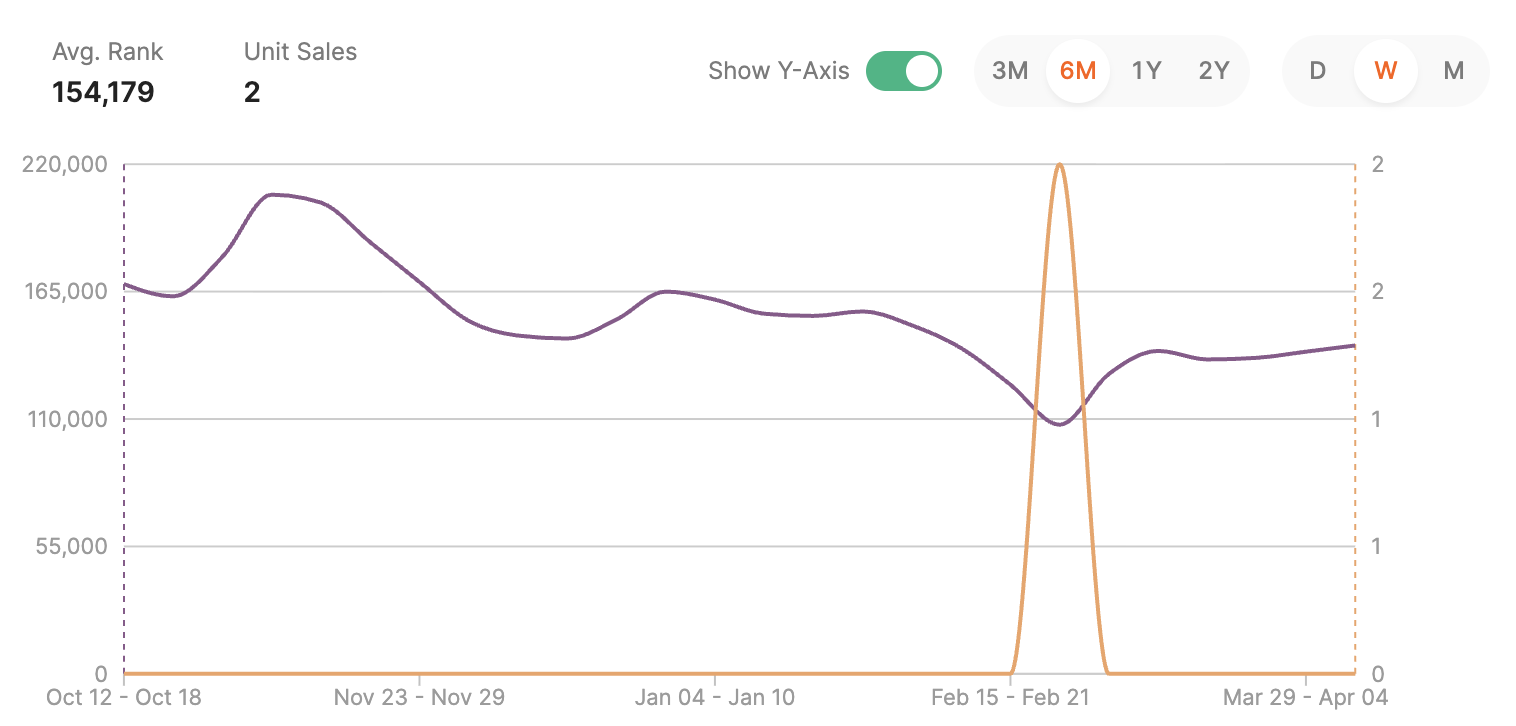
This is how you end up with boxes of inventory sitting in your garage after selling only 2 products in 6 months.
What is a ghost category on Amazon?
A ghost category is a product niche that looks like a real opportunity on paper but has no real, sustained demand behind it. The search volume seems valid. The competition seems winnable. The revenue estimates feel encouraging. But once you're in it, buyers don't materialize — because the data was never an accurate reflection of what real shoppers are actually buying.
Many third-party research tools rely on estimated, aggregated, or outdated data. They model what Amazon might look like rather than showing you what Amazon actually looks like right now.
Why research tools sometimes get it wrong
The Amazon marketplace moves fast. Trends spike and collapse within weeks. Seasonal categories inflate numbers that vanish in off-peak months. Some tools refresh their data infrequently, or they extrapolate from small data samples and present the output as confident, clean projections.
The result? Sellers make six-figure inventory decisions based on numbers that are weeks or months stale — or that were never accurate to begin with. By the time you've placed your order and received your shipment, the window has already closed.
The only product research tools you actually need
You don't need a dozen subscriptions or an all-in-one dashboard that promises to find you the perfect winning product. If it were that simple, everyone that tries Amazon FBA would be swimming in revenue. There are truly only three tools I recommend to give you a true picture of any niche. When used together with the right method, they're all you'll ever need.
Jungle Scout
Real sales data and demand validation across categories
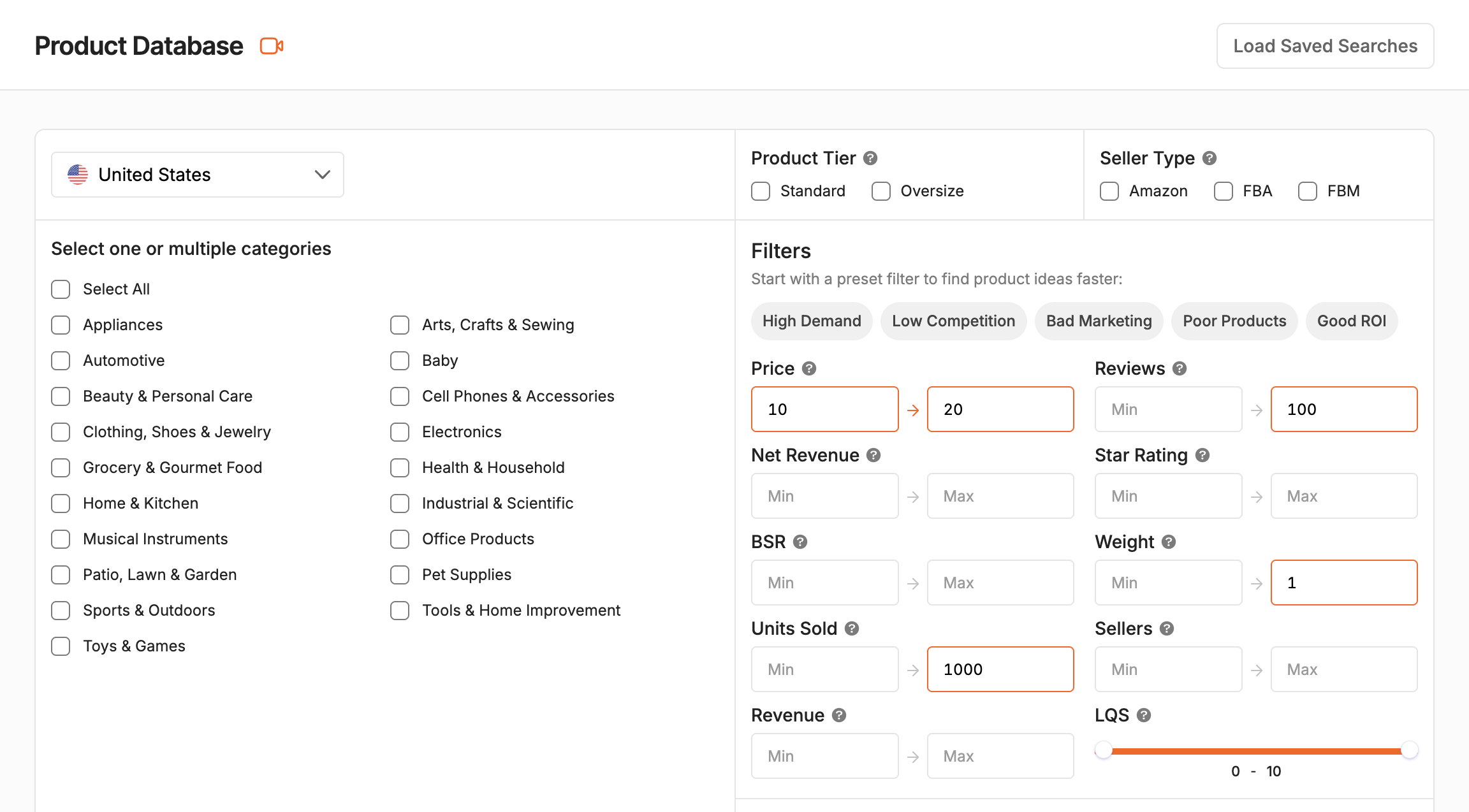
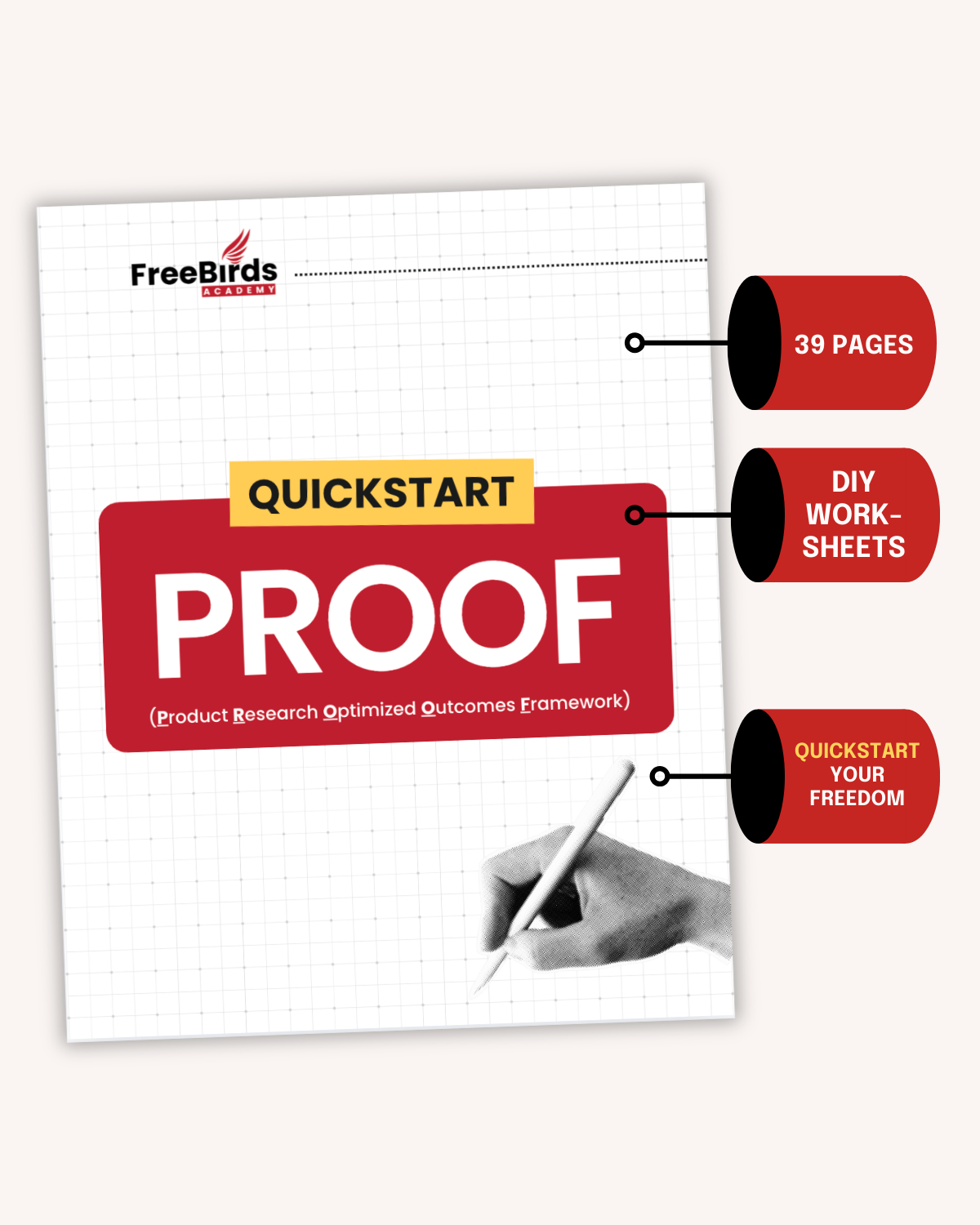
To the right are some recommended search filters in my Quickstart PROOF method (details below).
Keepa
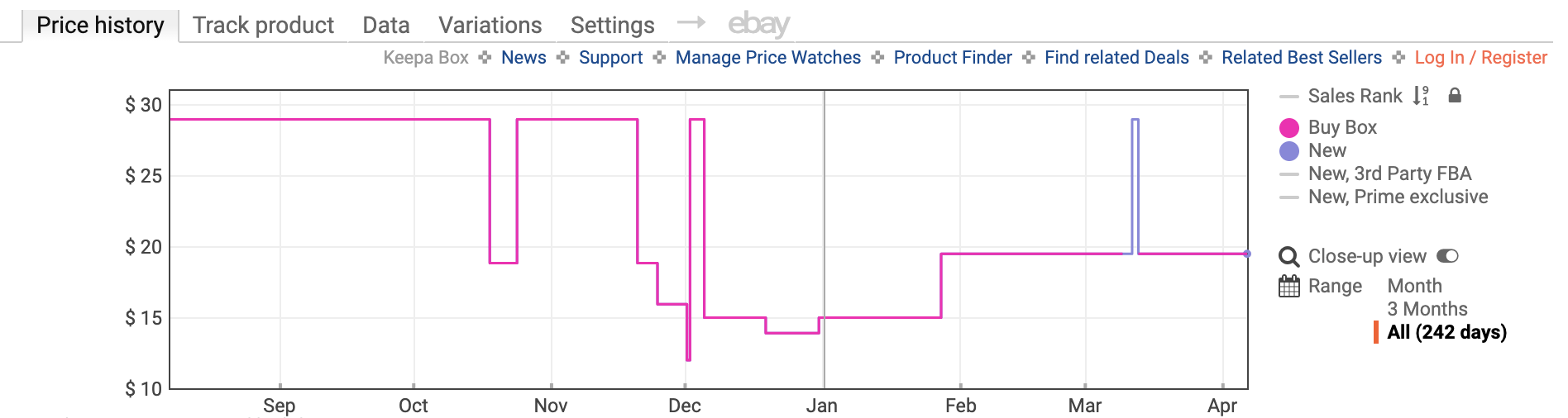
Historical pricing and rank trends that expose fake spikes
Amazon itself
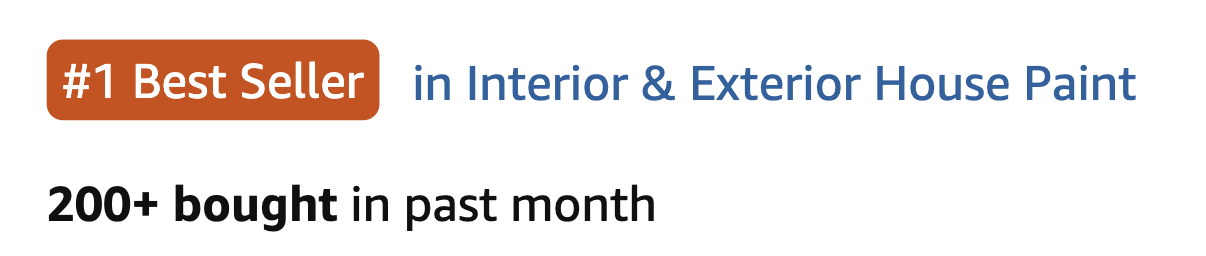
Live signals — Best Seller Rank, reviews, and real buyer behavior

How to spot a ghost category before you invest money on inventory
The key is cross-referencing. A product that looks strong in one tool should hold up when you check it against the others. If Jungle Scout shows high demand but Keepa's historical rank data shows wild inconsistency, that's a red flag. If Amazon's live BSR doesn't align with the revenue projections you're seeing in an all-in-one dashboard, trust Amazon.
Ghost categories almost always reveal themselves when you look at historical data over time, not just a current snapshot. Consistent, sustained rank performance over 6 to 12 months is one of the strongest signals of a real category. A niche that spiked once and leveled off is not the same as one with durable, compounding demand.
Get ahead of sellers with a proven product finding method
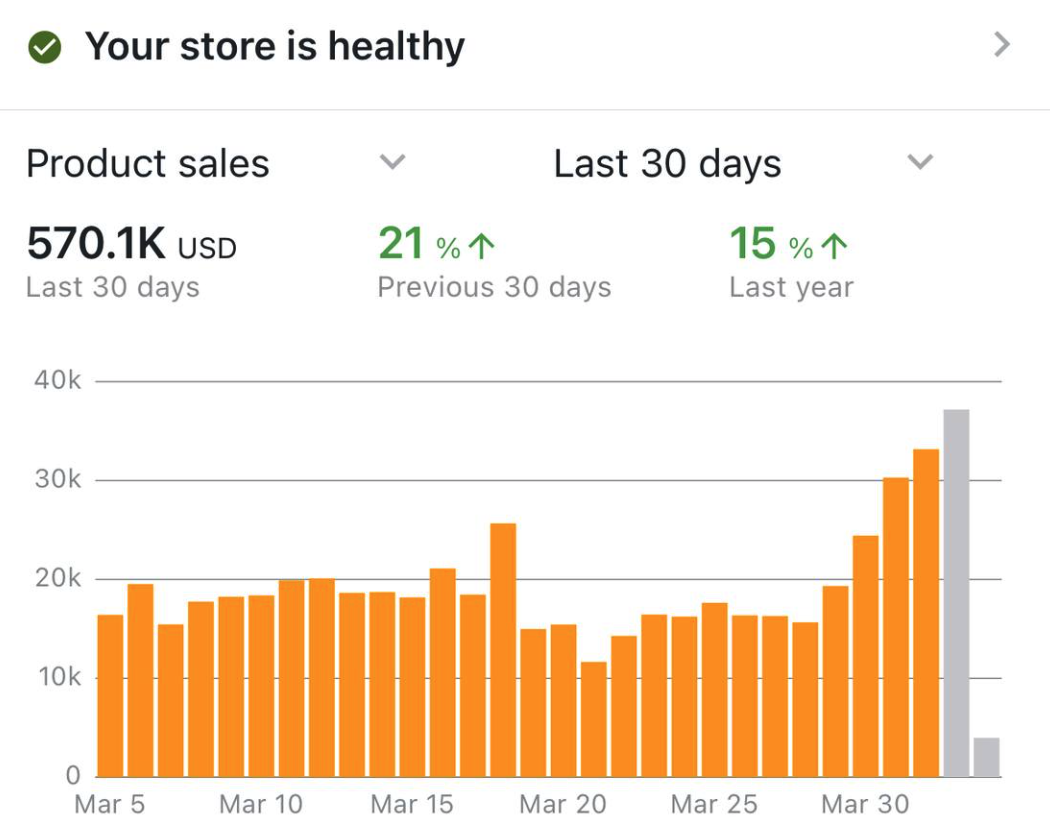
My Deep Dive PROOF product research method has made me literal millions because it is built entirely on combining the strength of these three tools. It's designed to filter out ghost categories at every step of the research process, so that by the time you're evaluating a product seriously, you already know the demand is real.
You can get the Quickstart PROOF that shows you how to validate like a millionaire for free here.
If you are curious about the Deep Dive PROOF method I mentioned above, contact here.
Don't let a promising dashboard screenshot cost you thousands of dollars in dead inventory. The right data, from the right sources, cross-referenced the right way, is the difference between launching into a real market and disappearing into a ghost category.