
Amazon Prepaid Return Labels: What Sellers Must Know About Amazon's New Return Policy
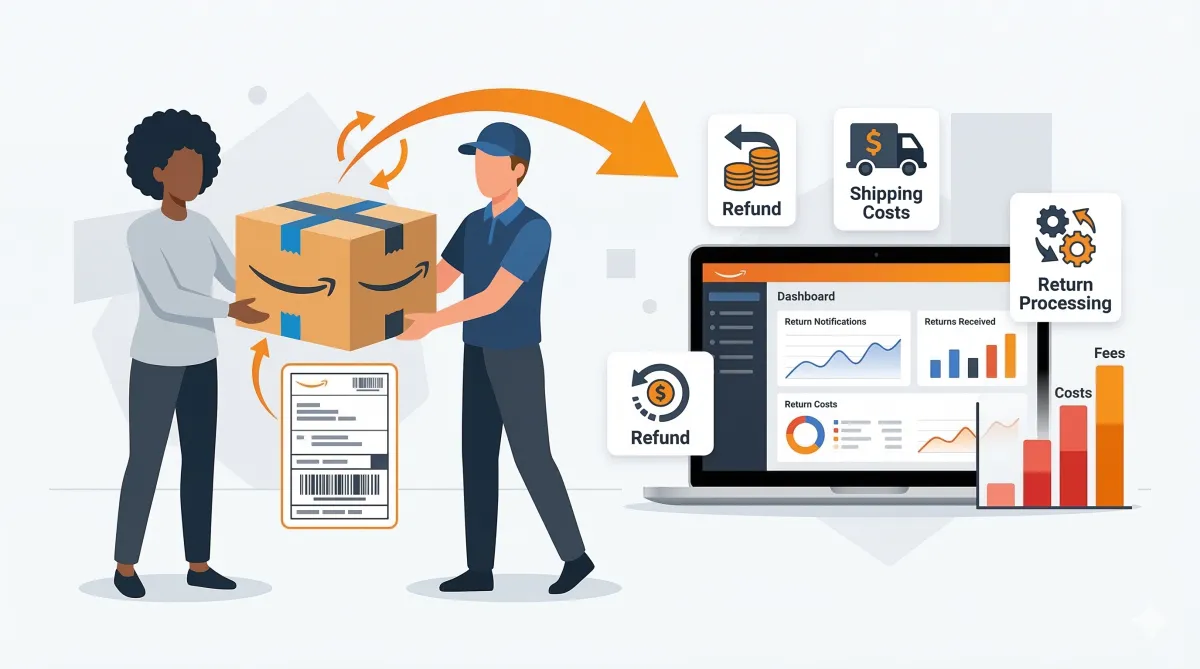
Amazon's return policy has always been customer-first. But over the past few years, the company has pushed that philosophy even further — and sellers are feeling the financial pressure. Whether you're running a Fulfilled by Merchant (FBM) operation or managing a hybrid setup alongside FBA, understanding how prepaid return labels work on Amazon is no longer optional. It's a survival skill.
This guide breaks down everything you need to know: how the policy works, what it costs, which carriers give you the best rates, and how experienced sellers are protecting their margins.
What Is a Prepaid Return Label?
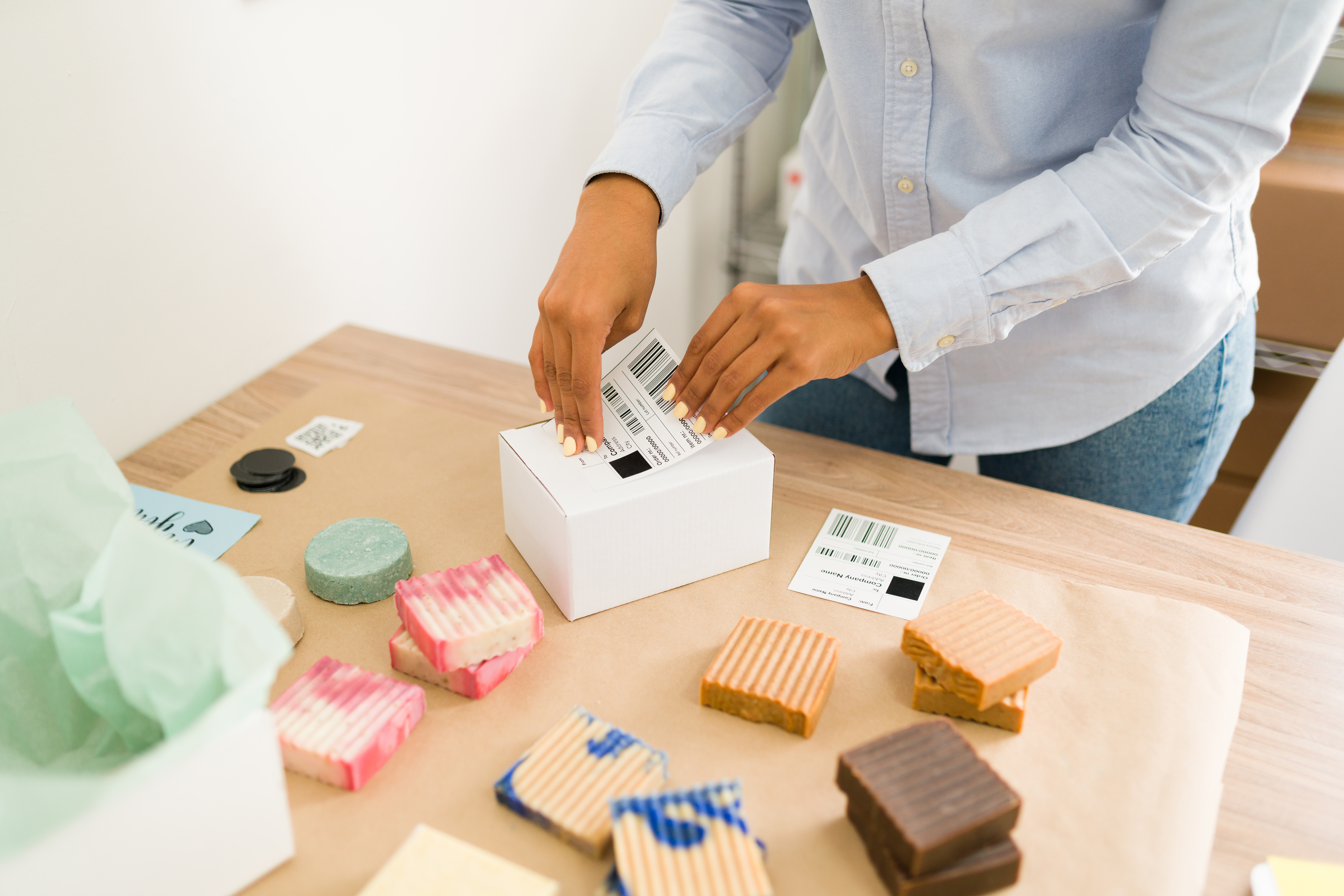
A prepaid return label is a shipping label that has already been paid for before the customer sends back a product. The buyer doesn't pay a cent to return the item — the cost is covered upfront, either by the seller or, in Amazon's case, often charged back to the seller after the fact.
For customers, this is frictionless. They print the label (or show a QR code), drop off the package, and they're done. For sellers, it means absorbing the cost of return shipping whether or not the return is their fault.
Prepaid return labels are generated through major carriers. The three most common you'll encounter on Amazon are:
UPS prepaid return label — standard for heavier items, widely available at drop-off locations
USPS prepaid return label — cost-effective for lightweight items, convenient for residential customers
FedEx prepaid return label — common for mid-size packages, especially with Amazon's growing FedEx partnership
A prepaid return envelope is a variation used for small, flat items — think jewelry, accessories, or small electronics accessories — and typically ships via USPS First Class.
Why Amazon Requires Prepaid Return Labels
Amazon's marketplace runs on trust. Customers buy with confidence partly because they know returns are easy. That confidence drives conversion rates up for every seller on the platform — but the infrastructure behind those easy returns has to be paid for by someone.
Amazon's position is straightforward: sellers benefit from the customer trust the platform creates, so sellers should share in the cost of maintaining it.
Beyond brand philosophy, there's a competitive reality. Amazon competes directly with Walmart, Target, and its own third-party sellers. Offering free, hassle-free returns is a retention tool. Making that policy consistent across FBA and FBM listings keeps the customer experience uniform regardless of who fulfills the order.
For FBA sellers, Amazon handles all of this automatically. Returns go back to Amazon's fulfillment centers, and sellers are charged according to Amazon's fee structure. For FBM sellers, the burden falls directly on them — and the rules have gotten stricter.
How Amazon's Return System Works
FBA Returns
When a customer returns an FBA order, Amazon processes it at the fulfillment center. The item is inspected and classified as either sellable or unsellable. Sellable items go back into your inventory. Unsellable items are either disposed of or returned to you at your request (for a fee).
Amazon generates the prepaid return label automatically. The cost is absorbed into Amazon's overall fee structure, though sellers do pay return processing fees for certain categories.
FBM Returns
This is where it gets more complex — and more expensive.
Under Amazon's current policy, FBM sellers are required to provide prepaid return labels for most return requests. Amazon's Prepaid Returns for Seller-Fulfilled Orders program automatically issues return labels to buyers on your behalf. You don't have a choice in most cases.
Here's how the process plays out:
A buyer submits a return request through Amazon.
Amazon automatically authorizes the return and issues a prepaid return label (typically via UPS or USPS).
The buyer ships the item back using the label.
Once the return is processed, Amazon charges the label cost to your seller account.
You receive the item back — or don't, if something goes wrong in transit.
This automation was designed to reduce customer friction. But for sellers, it removes the ability to assess return requests individually before issuing a label. If the return reason is "changed my mind" or "ordered by mistake," you're still paying to get that item back.
Return Windows and Categories
Amazon's standard return window is 30 days from delivery. Some categories have extended windows — the holiday season return window, for example, often extends into January for purchases made in November and December.
High-return categories include electronics, apparel, shoes, and home goods. If your product falls into one of these categories, building return costs into your pricing model isn't just smart — it's essential.
Cost Breakdown: UPS, USPS, and FedEx Prepaid Return Labels
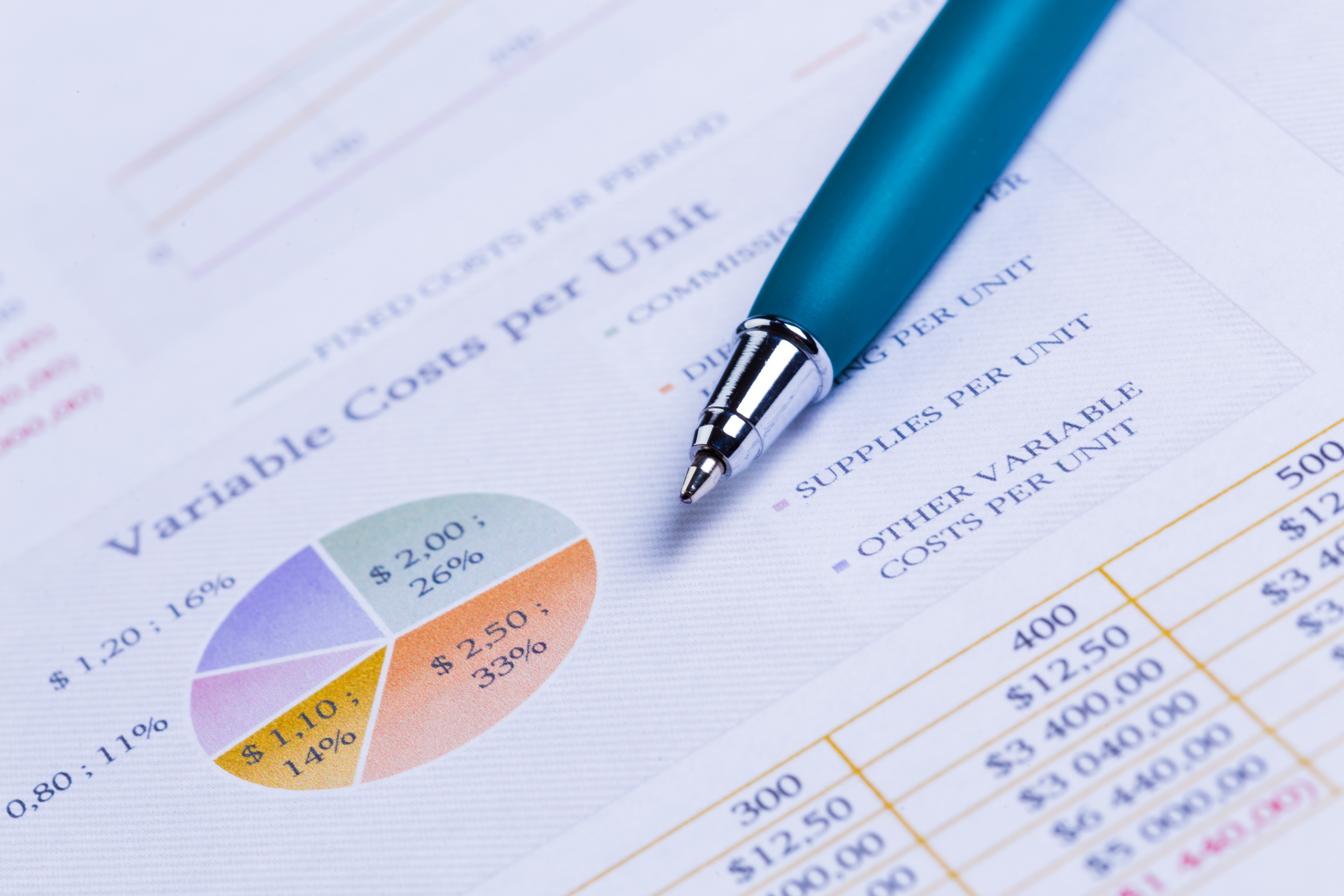
Return shipping costs vary significantly based on the carrier, package weight, dimensions, and distance. Here's a practical look at what sellers typically see.
UPS Prepaid Return Label
UPS is Amazon's most frequently used return carrier for packages over one pound. A UPS return prepaid label for a standard 2–5 lb package typically runs between $8 and $18 depending on shipping zone. For heavier items — 10 lbs or more — costs can climb to $25–$40+.
UPS has a dense drop-off network and strong tracking, which reduces disputes. However, it's rarely the cheapest option for lightweight items.
USPS Prepaid Return Label
The USPS prepaid return label is the go-to for items under one pound. USPS Priority Mail or First Class returns for small packages can range from $4 to $10, making it significantly cheaper for sellers dealing with low-weight products.
For sellers using prepaid return envelopes, USPS First Class runs under $5 for items under 13 oz. If you sell small accessories or apparel add-ons, USPS is almost always your best-cost carrier.
FedEx Prepaid Return Label
FedEx sits in the middle of the cost range. A FedEx prepaid return label for a 2–5 lb package typically costs $9 to $20 depending on distance and service level. FedEx Ground is often competitive with UPS for residential deliveries, and Amazon has been expanding its FedEx integrations.
Quick Carrier Comparison
Carrier Best For Typical Cost (2–5 lbs) Drop-Off Convenience USPS Lightweight items under 1 lb $4–$10 Post offices, blue boxes, home pickup UPS Mid to heavy packages $8–$18 UPS Stores, drop boxes, retailers FedEx Mid-size, time-sensitive returns $9–$20 FedEx Office, Walgreens, drop boxes
Risks for Amazon Sellers

Prepaid return labels create several risks that sellers need to manage proactively.
Return abuse. Some buyers use Amazon's easy return policy to effectively "rent" products — particularly in electronics and apparel. They buy, use, and return, leaving you with an open-box or worn item you can't sell at full price.
Condition disputes. Items come back damaged or incomplete. Filing a claim against Amazon's A-to-z Guarantee or the carrier can recover some costs, but it takes time and documentation.
Category volatility. High-return categories eat margins fast. A 15% return rate on a $30 product with a $10 return label cost can wipe out your profit entirely when you factor in repackaging, inspection, and potential disposal.
Label cost timing. Amazon charges label costs to your account automatically. If you're not monitoring your transaction reports closely, return shipping costs can quietly erode your cash flow without a clear line-item alert.
International returns. For sellers shipping cross-border, international return label costs can be prohibitive. Some sellers choose to refund without requiring a return for low-value international orders — a legitimate cost-saving strategy if managed carefully.
Strategies Sellers Use to Reduce Return Losses

Smart Amazon sellers don't just absorb return costs — they engineer their business to minimize them.
1. Price Return Costs Into Your Margins
Before listing a product, calculate your worst-case return scenario. If your item weighs 3 lbs and ships from a far zone, assume a $15–$18 return cost. Add that to your landed cost and price accordingly.
2. Improve Listing Accuracy
A significant portion of returns happen because the product didn't match the customer's expectation. Better photos, detailed size charts, accurate bullet points, and honest descriptions reduce "item not as described" returns dramatically.
3. Use Returnless Refunds Strategically
Amazon allows FBM sellers to set up returnless refund rules for low-value items. If your product costs less than $15 and a return label would cost $8, issuing a refund without requesting the item back is often more profitable. You keep the customer happy and skip the reverse logistics cost.
4. Monitor Your Return Rate by ASIN
Dig into your Seller Central reports and identify which ASINs have above-average return rates. A single problematic product can skew your entire account's metrics. Investigate the return reasons — if "defective" returns are clustering on one ASIN, it's a supplier quality issue, not a pricing issue.
5. Appeal Unfair Returns
If a customer returns a clearly used or damaged item and claims it arrived that way, document everything — photos, original packaging weight, carrier scan data. You can file a SAFE-T claim (Seller Assurance for e-Commerce Transactions) to recover costs when returns are clearly buyer-caused.
6. Negotiate Carrier Rates
If your return volume is high enough, you can negotiate directly with UPS, USPS, or FedEx for discounted rates. Amazon's contracted rates are already lower than retail, but volume-based contracts through third-party logistics providers can reduce costs further.
7. Offer Preventive Customer Service
For higher-ticket items, reach out proactively after delivery to confirm satisfaction. A quick message asking if everything arrived correctly and meets expectations can deflect a return before the buyer initiates one.
Carrier Comparison: Which Is Best for Amazon Returns?

There's no universal answer — the best carrier depends on your product profile.
Choose USPS if you sell lightweight items under 1 lb. The cost advantage is clear, and residential delivery is seamless. A USPS prepaid return label or prepaid return envelope will be your cheapest option in this weight range.
Choose UPS for mid-to-heavy packages where tracking reliability and drop-off density matter. The UPS prepaid return label is the most commonly issued label in Amazon's automated return system, so it's the default you'll often encounter regardless of preference.
Choose FedEx if your customers are in areas with strong FedEx coverage and you're shipping mid-weight packages. FedEx Ground has become increasingly competitive, and Amazon's expanded FedEx relationship means this carrier will likely play a larger role in return logistics going forward.
For sellers with a mixed product catalog, the carrier will often be selected by Amazon's algorithm based on cost and availability. Your main lever of control is product weight, packaging, and the return rules you configure in Seller Central.
Conclusion
Amazon's prepaid return label system isn't going away — and frankly, as the marketplace matures, it's likely to expand. More automation, broader carrier partnerships, and tighter return windows are all on the roadmap.
If you want a practical way to evaluate these factors before you ever place inventory, this Amazon product research workbook walks through the same framework sellers use to calculate margins, assess demand, and avoid products that get crushed by return costs.
For FBM sellers especially, the key is to stop treating returns as an unpredictable cost and start treating them as a line item you can measure, forecast, and manage. Know your return rate by ASIN. Understand the per-label cost from UPS, USPS, and FedEx based on your product weights. Price accordingly, use returnless refunds where they make sense, and file SAFE-T claims when buyers abuse the system.
Returns are a cost of doing business on Amazon. The sellers who thrive are the ones who build that cost into their model — and then work systematically to reduce it.
Ready to build a more profitable, sustainable Amazon business? Explore deeper resources on FBA fee structures, FBM optimization, and margin management to stay ahead of policy changes and protect your bottom line.