FBM Arbitrage vs FBA Private Label: Real Talk From Amazon Seller Forums
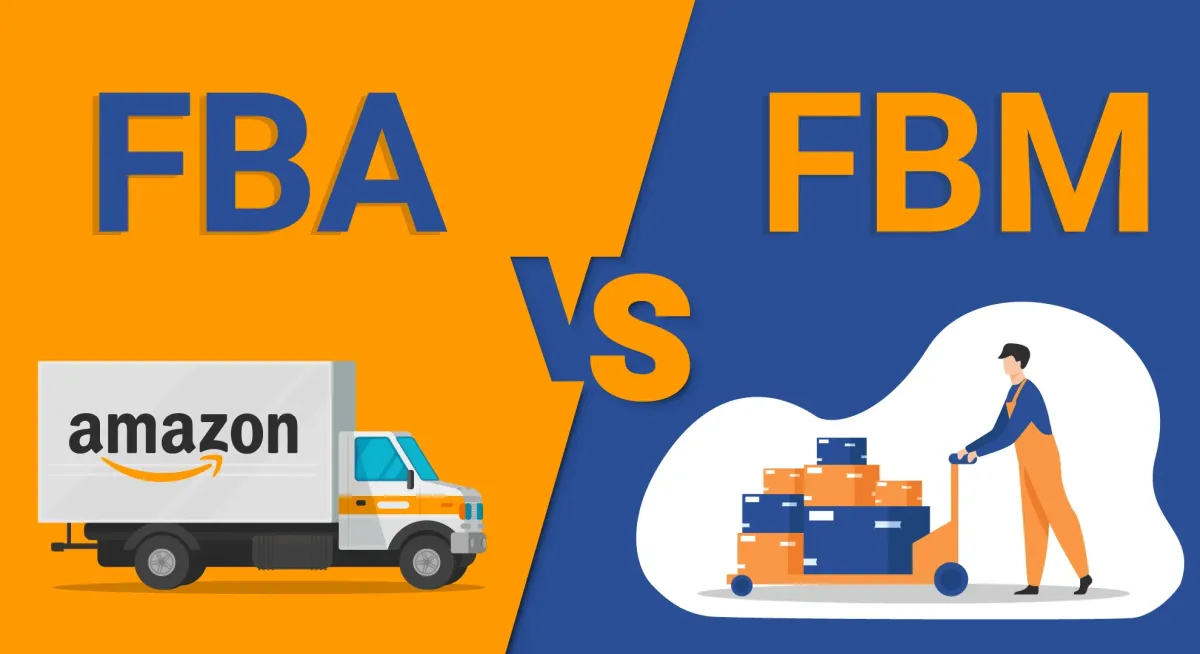
If you've been lurking in Amazon Seller Forums lately, you already know... the debate never ends: FBM Arbitrage or FBA Private Label?
Scroll through any active thread and you'll see passionate arguments on both sides. One seller swears arbitrage saved their business during Q4. Another says private label finally broke their income ceiling. So who's right?
Here's the truth: both models work. But they work for different types of sellers, with different goals, budgets, and risk tolerances.
In this post, I'm breaking down real seller experiences pulled from Amazon forums—not theoretical fluff from gurus who haven't listed a product in years. We'll cover what actually works in 2025, with shifting Amazon policies, rising FBA fees, retail price increases, and ongoing shipping chaos.
Let's dive into what sellers are really saying behind the scenes.
What Forum Sellers Are Saying About FBM Arbitrage
The Real Pros (Based on Forum Insights)
When you dig into seller forums, FBM arbitrage gets consistent praise for a few core reasons:
Fast to start, low capital required. You don't need $5,000 sitting in a factory overseas. You can literally start with $200 at Target, scan some clearance items, and have your first sale within days.
High flexibility—"you can pivot in a day." If a product category stops working, you just stop buying it. No MOQ commitments. No warehouse full of unsellable inventory. You adapt instantly.
No factories, no molds, no branding headaches. You're not dealing with manufacturers in China, designing packaging, or filing trademarks. You source products that already exist and sell them for profit.
Here are some real themes and quotes from forum threads:
"Retail arbitrage saved my Q4. I was able to source locally while everyone else waited on containers."
"FBA fees killed my margins so FBM kept me alive. I ship from home and keep 100% control."
"I hit $10k/month in three months using only clearance racks and online arbitrage."
The speed and accessibility are unmatched. For sellers who want to see results now, arbitrage delivers.
The Real Cons
But it's not all sunshine. Forum sellers also share the brutal realities:
Handling time stress (especially during Q4). When you're fulfilling orders yourself, every sale creates a task. During busy seasons, this can become overwhelming fast. Miss your handling time? Your metrics tank.
Customer expectations (shipping speed, refunds). Amazon has trained buyers to expect Prime-level service. When you're FBM, you're competing against two-day delivery. One late shipment can cost you the Buy Box for weeks.
Inventory unpredictability from retailers. That clearance deal you found? It might be gone tomorrow. Retail stores don't care about your restock schedule. You're constantly hunting for new products.
"Buy Box battle" since FBM rotation is harder. Amazon's algorithm favors FBA sellers in Buy Box placement. As an FBM seller, you need competitive pricing, fast shipping, and excellent metrics just to stay in the game.
One seller summed it up: "Arbitrage is great until you're shipping 50 orders a day from your garage at 11 PM."
Who This Model Is Best For (Forum Consensus)
Based on hundreds of forum discussions, FBM arbitrage works best for:
New sellers with small budgets who need to test the waters without major risk
Hustlers who want immediate sales and don't mind the grind
People who enjoy sourcing/scanning and treat it like a treasure hunt
Sellers who prefer staying cashflow positive instead of tying up capital for months
If you need money coming in now and you're willing to hustle, arbitrage is your fastest path to profit.
What Forum Sellers Are Saying About FBA Private Label
The Real Pros (Backed by Forum Threads)
On the flip side, private label sellers share a completely different experience:
Passive fulfillment—Amazon handles logistics. Once your inventory arrives at Amazon's warehouse, they handle storage, picking, packing, shipping, and customer service. You focus on marketing and growth.
Higher margins long-term. When you control the product, you control the pricing. No competing with 15 other sellers on the same listing. Your margins can hit 40-50% if you optimize properly.
Ability to build a real brand that can be sold later. Private label creates an actual asset. Sellers regularly exit for 3-4x annual profit. You can't sell an arbitrage business—there's nothing to sell.
Forum sellers share wins like:
"Private label changed my income ceiling. I went from $3k/month to $30k/month in 18 months."
"I sold my brand for $400k after three years. That would never happen with arbitrage."
"FBA gives me freedom. I haven't touched inventory in months."
The leverage and long-term potential are massive. For sellers thinking beyond quick cash, private label opens doors arbitrage can't.
The Real Cons
But private label comes with serious risks that forum sellers warn about constantly:
High risk—upfront cost, MOQ, manufacturing delays. You're dropping $3,000-$10,000+ before you make a single sale. Minimum order quantities lock you into inventory decisions. And if your manufacturer misses deadlines? You're stuck waiting.
Listing hijackers, counterfeiters, and black-hat attacks. Once you have a successful product, competitors will try to steal your listing, leave fake negative reviews, or even copy your product and undercut you. Brand protection is a real job.
Amazon algorithm updates affecting ranking. Your top-selling product can drop from page one to page three overnight because Amazon changed how they rank listings. PPC costs can skyrocket without warning.
Inventory storage fees widening in 2025. Amazon's FBA fees keep climbing. Long-term storage fees, aged inventory surcharges, and peak season pricing eat into margins. One seller said: "I made $50k in sales but Amazon kept $18k in fees."
Another common theme: "I spent $5k on my first order and it sat for six months. I lost money on fees before I even broke even on units sold."
Who This Model Is Best For
Private label makes sense for:
Medium to high budget sellers who can afford $5,000+ upfront investment
Long-term brand builders who think in years, not weeks
Sellers willing to invest in product molds, trademarks, and PPC campaigns
People who want passive income and scalability through systems and outsourcing
If you're patient, strategic, and ready to play the long game, private label rewards you with equity and leverage arbitrage can't match.
Direct Comparison: FBM Arbitrage vs FBA Private Label
Here's a clean side-by-side breakdown:
Factor FBM Arbitrage FBA Private Label Startup Cost $200 - $2,000 $3,000 - $15,000+ Time to First Sale Days to 1 week 3-6 months Risk Level Low (small inventory buys) High (MOQ commitments) Cashflow Speed Fast (sell this week, paid next week) Slow (months before profit) Scalability Limited (time/sourcing dependent) High (systems + team) Brand Value Zero (no sellable asset) High (can exit for 3-4x profit) Inventory Control Full control, ship from home Amazon controls storage/fulfillment PPC Dependency Low (rely on Buy Box & pricing) High (need ads to launch & maintain) Return Rate Higher (used/open box common) Lower (new condition products) Skillset Required Sourcing, pricing, shipping logistics Product research, branding, marketing
This table makes the differences crystal clear. Your choice depends on what you value most: speed or scale, control or leverage, quick wins or long-term equity.
Forum War Stories: The Threads That Reveal the Truth
Some of the best lessons come from seller horror stories. Here are common themes from forum threads:
Arbitrage seller suspended for IP claims. A seller sourced name-brand products from retail stores, only to get hit with intellectual property complaints from brand owners. Their account was suspended for weeks while they fought to prove authenticity.
PL seller spending $5k on inventory that didn't move. A new seller jumped into a saturated niche without proper research. Their product arrived, sat in FBA warehouses, and racked up storage fees while generating zero sales.
FBM seller winning Buy Box during stockouts. During supply chain chaos in 2024, FBA sellers ran out of stock. An FBM arbitrage seller swooped in, won the Buy Box on high-demand products, and made massive profit while everyone else waited on shipments.
PL seller stuck with hijackers killing their listing. A successful private label brand got hijacked by overseas counterfeiters. Fake units flooded the listing, tanking reviews and sales. It took months and legal action to clean up.
The takeaway? Model selection depends on personality and resources. Neither model is foolproof. Success comes from understanding the risks and playing to your strengths.
My Personal Recommendation (Based on What Actually Works)
If you're asking me to pick a side, I'm Team FBM Arbitrage—especially for beginners.
Here's why:
Fast cashflow. You can make money this week, not next quarter. When you're starting out, cashflow is oxygen. Arbitrage keeps you alive while you learn.
Lower risk. You're not betting $10,000 on a single product idea. You test dozens of products with small buys. If something doesn't work, you pivot immediately.
You can pivot to profitable categories instantly. Toys selling well this month? Great, source toys. Toy season over? Move to home goods. Flexibility is power.
Easier to operate daily. You don't need a team, a factory, or a trademark attorney. You need a scanner, a credit card, and hustle.
That said, I believe in the progression path: start with arbitrage → move to wholesale → eventually build private label brands. Use arbitrage to learn Amazon's systems, build capital, and test your appetite for e-commerce. Then graduate to bigger models when you're ready.
But if you already have $10k sitting around and 12 months of patience? Private label can absolutely work—just do your research and prepare for the long haul.
Actionable Steps Based on Your Chosen Model
If You Choose FBM Arbitrage
Here's how to start smart:
Pick the right stores. Focus on retailers with consistent clearance sections: Target, Walmart, Home Depot, CVS, Walgreens. Online arbitrage works too—check sites like Kohls.com, Macys.com, and overstock retailers.
Check ROI fast. Use tools like SellerAmp, Scoutify, or Profit Bandit to scan products in-store. Look for 30%+ ROI after fees. Don't waste time on low-margin items.
Manage shipping time religiously. Set a same-day or next-day handling time and stick to it. Use Pirate Ship or ShipStation for discounted labels. Late shipments kill your metrics.
Avoid IP complaints. Stay away from gated brands, trademarked items, and anything requiring approval. Stick to generic or store-brand products when starting out. Always check the Amazon restricted products list.
Tools to use: SellerAmp for mobile scanning, Keepa for price history and sales rank tracking, BQool for repricing if you scale, and Inventory Lab for bookkeeping.
If You Choose FBA Private Label
Here's your roadmap:
Do product research properly. Use tools like Helium 10, Jungle Scout, or Viral Launch. Look for products with demand (sales rank under 10,000 in their category), low competition (fewer than 200 reviews on top listings), and healthy margins (can sell for 3x your landed cost).
Get samples from multiple suppliers. Use Alibaba to contact manufacturers. Order samples from 3-5 suppliers. Test quality in person. Don't skip this step—bad quality kills brands.
Optimize listings from day one. Invest in professional photos (white background + lifestyle shots). Write keyword-rich titles and bullet points. Use backend search terms. A weak listing wastes your launch budget.
Launch without losing money. Use PPC strategically—start with automatic campaigns to gather data, then shift to manual campaigns targeting high-converting keywords. Give away units through friends/family or use services like Rebate Key to generate early reviews (within Amazon's TOS).
Protect against hijackers. Enroll in Amazon Brand Registry immediately. Use transparency codes or serial numbers if possible. Monitor your listings daily using tools like BrandShield or SellerLabs.
Conclusion
Here's the final truth: There is no "best model"—only the best model for your goals.
FBM arbitrage wins if you need fast cash, low risk, and flexibility. FBA private label wins if you want long-term equity, passive income, and a sellable asset.
Choose based on:
Budget: Do you have $500 or $5,000?
Time: Do you need profit this month or can you wait 6 months?
Risk tolerance: Are you comfortable betting big on one idea?
Long-term vision: Do you want quick wins or a brand you can exit?
Both models have made millionaires. Both have also bankrupted sellers who didn't respect the risks.
The key is understanding what you want, playing to your strengths, and staying disciplined.
Now it's your turn: Comment below—are you Team Arbitrage or Team Private Label?
Let's hear your experience, your wins, your horror stories. The Amazon seller community learns best when we share real talk, not hype.
Ready to start your Amazon journey? Check out our beginner's guide to [FBM shipping strategies] or dive into [private label product research tips] for advanced sellers.