

How Do I Start an Amazon FBA Business: Your Complete Step-by-Step Guide
Starting an Amazon FBA business(Fulfillment by Amazon) business has become one of the most popular ways for entrepreneurs to break free from the traditional 9-to-5 grind and build a profitable online business. With millions of customers shopping on Amazon daily and the platform handling storage, packing, and shipping for you, it's no wonder that FBA has attracted everyone from complete beginners to seasoned business owners looking for their next venture.
But here's the reality: while Amazon FBA businesses offer incredible opportunities, success isn't guaranteed. The difference between those who build thriving businesses and those who struggle often comes down to having the right knowledge, strategy, and execution from day one.
In this comprehensive guide, we'll walk you through everything you need to know to start your Amazon FBA journey, from the initial research phase to scaling your business for long-term success.
1. What is Amazon FBA? Understanding the Basics
Amazon FBA (Fulfillment by Amazon) is a game-changing service where Amazon stores your products in their fulfillment centers. When customers place orders, Amazon handles the entire process: picking, packing, shipping, and providing customer service.
Think of Amazon as your business partner who manages all the logistics while you focus on what matters most—finding great products and growing your brand.
2. How Amazon FBA Works: The Simple 4-Step Process
Source products from suppliers
Send inventory to Amazon's warehouses
Create optimized listings on Amazon
Amazon fulfills orders automatically
The key benefit? Your products become eligible for Prime shipping, which can significantly boost your sales and visibility.

3.Initial Research and Planning
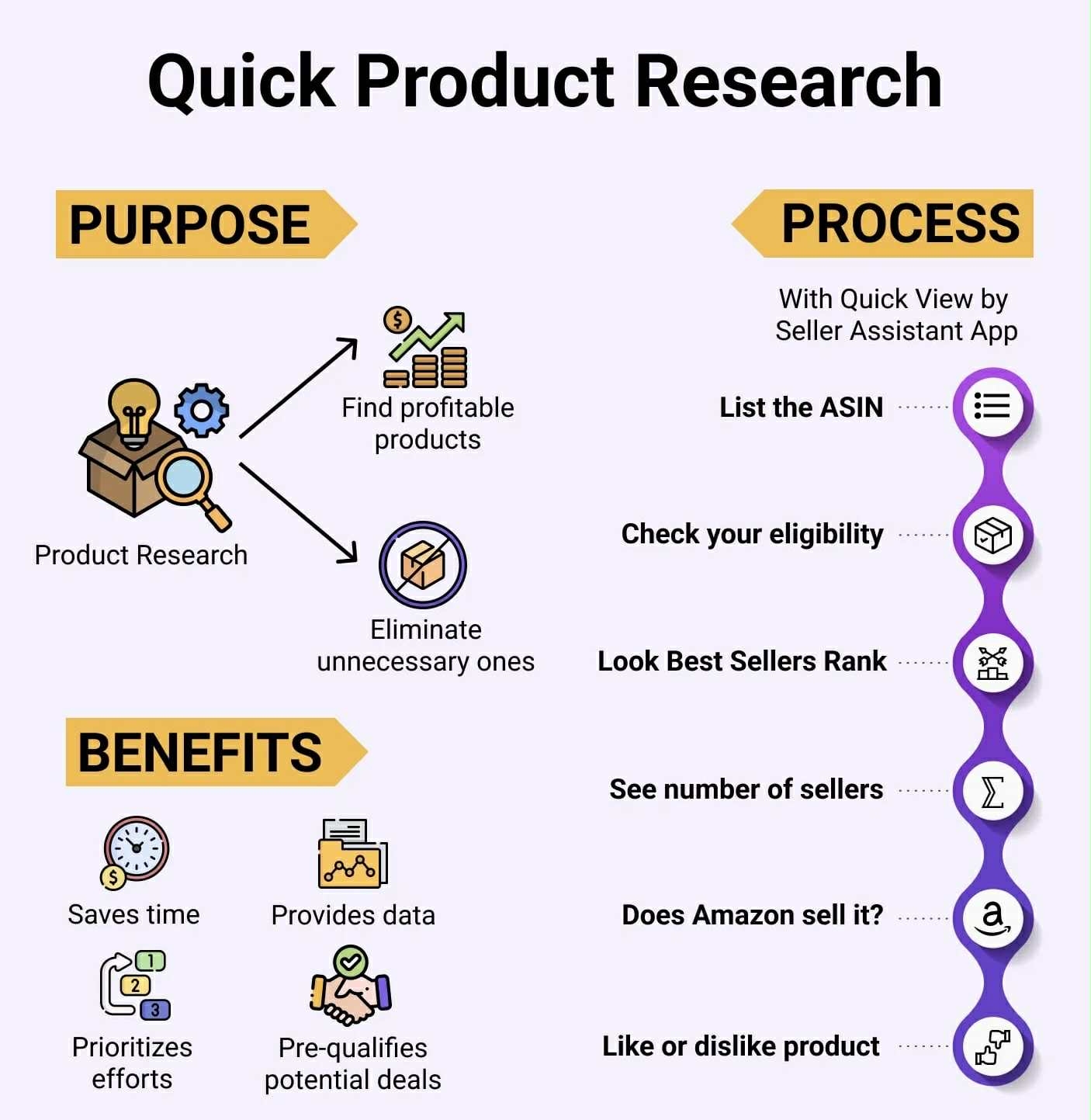
Before you invest a single dollar, thorough research is crucial.
Essential Research Tools
Start by understanding market demand using tools like:
Jungle Scout
Helium 10
AMZScout
These tools help you analyze search volume, competition levels, and potential profitability for different product categories.
Product Selection Criteria
Look for products with:
Consistent demand throughout the year
Reasonable competition levels
Healthy profit margins
Rule of Thumb: Find products that sell at least 300 units per month with fewer than 100 reviews on the first page of search results.
Competition Analysis Strategy
Analyze your competition by studying their:
Product listings
Pricing strategies
Customer reviews
Marketing approaches
💡 Pro Tip: Pay attention to common customer complaints in reviews—these represent opportunities for improvement in your own product development.
4. Setting Realistic Expectations
Most successful FBA sellers don't see significant profits in their first 3-6 months
Plan for initial investments of $3,000-$10,000 for your first product launch, including:
Inventory costs
Marketing expenses
Various business expenses
Having expert guidance during this critical planning phase can help you avoid costly mistakes and accelerate your path to profitability.
5. Legal and Business Setup
Treating your FBA business as a legitimate business from day one is essential for long-term success.
Business Structure Options
Choose an appropriate business structure:
LLC (Most Popular Choice)
Flexibility and liability protection
Simpler tax structure
Professional credibility
Corporation
Potential tax advantages
More complex structure
Better for larger operations
Most sellers opt for an LLC due to its flexibility and liability protection, though some choose corporations for tax advantages.
Essential Business Registration Steps
Complete these requirements:
Register your business with your state
Obtain any necessary licenses or permits
Get an Employer Identification Number (EIN) from the IRS
Required even if you don't plan to hire employees immediately
Financial Setup Requirements
Set up dedicated business banking accounts to keep your personal and business finances separate.
Why this separation is crucial:
Essential for tax purposes
Makes bookkeeping much easier
Provides legal protection
Maintains professional credibility
Accounting Software Recommendations
Consider using accounting software to track your expenses and revenue from the beginning:
QuickBooks - Comprehensive business accounting
Xero - Cloud-based financial management
Tax Compliance Understanding
Understand the tax implications of your FBA business:
You'll be responsible for collecting and remitting sales tax in states where you have nexus
Nexus can include states where Amazon has warehouses storing your inventory
Tax obligations extend beyond your home state
Tax Automation Services:
TaxJar - Automated sales tax management
Avalara - Comprehensive tax compliance
Many sellers use tax automation services like TaxJar or Avalara to manage this complexity and ensure full compliance.
6. Product Selection Strategy
Product selection is arguably the most critical factor in your FBA success.

Essential Product Criteria
Focus on products that meet specific criteria:
Lightweight and compact
Minimizes storage costs
Reduces shipping expenses
Selling price between $15-$50
Provides room for healthy profit margins
Sweet spot for customer purchasing decisions
Low seasonality
Consistent year-round demand
Predictable revenue streams
Opportunity for improvement over existing offerings
Room to add value and differentiate
7. Private Label Opportunities

When evaluating private label opportunities, look for products where you can add genuine value through:
Better design - Enhanced aesthetics and functionality
Improved functionality - Additional features customers want
Superior materials - Higher quality construction
Enhanced packaging - Better presentation and protection
The goal isn't just to copy what's already successful—it's to make it better.
Categories to Avoid
Steer clear of these challenging areas until you have more experience:
Restricted Categories:
Food - Complex regulations and compliance
Supplements - FDA requirements and liability
Electronics - High return rates and competition
Anything requiring FDA approval - Regulatory complexity
High-Risk Products:
Products with patent issues
Items with high return rates
Categories dominated by major brands with deep pockets for legal battles
Advanced Private Label Strategies
Advanced private label strategies involve identifying gaps in the market where customer needs aren't being fully met.
This requires:
Deeper market analysis
Creating entirely new product variations or bundles that don't currently exist
Understanding unmet customer demands
Benefits of advanced techniques:
Separate successful sellers from the competition
Reduce direct competition
Increase profit margins
Create unique market positioning
Supplier Relationship Building

Build relationships with reliable suppliers, preferably through platforms like:
Alibaba - Primary sourcing platform
Other verified supplier networks
Supplier Evaluation Process:
Start by ordering samples from multiple suppliers
Evaluate quality standards and consistency
Assess communication responsiveness and clarity
Test reliability in delivery and service
The supplier relationship is crucial—they're essentially your manufacturing partner.
8. Setting Up Your Amazon Seller Account
Choose the Professional selling plan ($39.99/month) rather than the Individual plan if you're serious about building a business.
Professional Plan Benefits:
Access to advertising - Essential for product launches
Bulk listing tools - Efficient inventory management
Detailed analytics - Data-driven decision making
Essential features for business growth
Account Verification Requirements
During the account verification process, Amazon will require:
Business documents
Tax information
Bank account details
Have all your paperwork ready:
EIN (Employer Identification Number)
Business license
Bank statements
Other supporting documentation
The verification process can take several days to weeks, so start early.
Policy Compliance is Critical
Familiarize yourself with Amazon's Terms of Service and seller policies.
Why this matters:
Policy violations can result in account suspension
Understanding the rules from the beginning is crucial
Prevents costly mistakes and business disruption
Pay special attention to:
Product safety requirements
Restricted products lists
Intellectual property policies
Professional Seller Profile Setup
Professional photography can make or break your listing. Amazon allows up to 9 images per listing—use them all. Include main product images on white backgrounds, lifestyle photos showing the product in use, infographic images highlighting key features, and size comparison images when relevant.
Set up your seller profile professionally with:
Clear business name
Professional logo
Comprehensive return policy
Why profile matters:
Profile information appears on your product listings
Helps build trust with customers
Creates professional brand presence
9. Product Listing and Optimization

Creating compelling product listings is both an art and a science. Your main product title should include your primary keywords while remaining readable and appealing to customers. Use all available bullet points to highlight key features and benefits, focusing on how your product solves customer problems.
Product Title Optimization
Your main product title should:
Include your primary keywords
Remain readable and appealing to customers
Balance SEO with customer appeal
Bullet Points Strategy
Use all available bullet points to:
Highlight key features and benefits
Focus on how your product solves customer problems
Address specific pain points
Communicate unique value propositions
Keyword Research for Amazon SEO
Keyword research is essential for Amazon SEO. Use tools like Helium 10's Cerebro or Jungle Scout's Keyword Scout to find relevant, high-volume keywords that customers use when searching for products like yours. Include these keywords naturally in your title, bullet points, and product description.
Recommended tools:
Helium 10's Cerebro - Advanced keyword analysis
Jungle Scout's Keyword Scout - Comprehensive keyword research
Find keywords that are:
Relevant to your product
High-volume search terms
Used by customers when searching for products like yours
Keyword placement strategy:
Include these keywords naturally in your:
Product title
Bullet points
Product description
Professional Photography Requirements
Professional photography can make or break your listing.
Amazon allows up to 9 images per listing—use them all:
Main product images on white backgrounds
Lifestyle photos showing the product in use
Infographic images highlighting key features
Size comparison images when relevant
Pricing Strategy Framework
Pricing strategy requires balancing competitiveness with profitability.
Common mistake: Many new sellers make the mistake of competing solely on price, which erodes profit margins.
Better approach:
Focus on communicating value through:
Superior product quality
Better customer service
Unique features that justify your pricing
Value-based pricing wins over price competition.
10. Inventory Management and Fulfillment
Sending Inventory to Amazon FBA. Once your listing is live, you'll need to send inventory to Amazon's fulfillment centers.
Shipment Planning Process:
Create a shipment plan in Seller Central
Plan tells you how many units to send to which warehouses
Amazon often splits shipments across multiple locations to optimize their network
Product Labeling Requirements
Proper labeling is crucial:
Every unit must have an Amazon barcode (FNSKU)
FNSKU identifies it as your specific product
Ensures proper tracking and fulfillment
Labeling Options:
Have Amazon apply labels for a fee
Do it yourself to save money
Choose based on volume and budget
Preparation Requirements:
Ensure your products are properly prepared according to Amazon's requirements
Avoid additional fees or delays
Follow packaging and prep guidelines exactly
Inventory Level Management
Managing inventory levels requires careful planning.
Balance these factors:
Enough stock to avoid stockouts (which hurt your rankings)
Not so much that you tie up excessive capital in inventory
Avoid incurring long-term storage fees
Tools for Amazon FBA inventory management:
Amazon's inventory management tools
Third-party FBA inventory management software for more advanced forecasting
Understanding Amazon's Fee Structure
Understand Amazon's fee structure:
Regular fees:
Storage fees (monthly charges)
Fulfillment fees (per unit sold)
Long-term storage penalty:
Long-term storage fees apply to inventory sitting in Amazon's warehouses for more than 365 days
Plan your inventory turns accordingly
Monitor aging inventory reports regularly
11. Marketing and Growth Strategies

Amazon PPC (Pay-Per-Click) advertising is often essential for new product launches.
Start with:
Automatic campaigns to gather data on which keywords convert
Manual campaigns targeting your most profitable keywords
Begin with a daily budget you're comfortable with and adjust based on performance
Organic Ranking Optimization
Improving your listing’s conversion rate is key to organic ranking. Focus on:
Optimized product listings with strong keywords, images, and descriptions
Competitive pricing to attract clicks and drive conversions
Positive customer reviews to build trust and boost your ranking
Amazon’s algorithm rewards listings that sell well and deliver customer satisfaction.
Building Reviews
Review generation takes time and excellent customer service.
Never buy fake reviews — Amazon’s systems are advanced and penalties are strict
Deliver an outstanding customer experience
Follow up with buyers using Amazon’s messaging system
Advanced Advertising Mastery
To reduce advertising costs while maximizing profit, apply advanced PPC strategies:
Bid optimization techniques to improve ad efficiency
Negative keyword strategies to eliminate wasteful ad spend
Well-structured campaigns that are easier to scale and monitor
Professional training in these areas can dramatically improve advertising ROI.
Customer Service Excellence
Even though Amazon handles fulfillment, customer service still plays a key role in your brand’s success.
Respond quickly to buyer messages
Address customer concerns proactively
Use feedback to continuously improve your product
12. Common Challenges and How to Avoid Them

Cash Flow Management
Amazon pays sellers every 14 days
Inventory purchases often happen weeks or months in advance
Plan for this cash flow gap and maintain sufficient working capital
Account Suspension Risks
Suspensions can shut down your business overnight
Common triggers include:
Policy violations
Intellectual property complaints
Poor performance metrics
Suspicious activity
Stay informed on Amazon's policies and maintain strong performance standards
Inventory Problems
Key issues include:
Overstock (which ties up capital)
Stockouts (which hurt rankings)
Stranded inventory (which stops sales altogether)
Solutions:
Use forecasting tools
Build reliable supplier relationships
Always have a backup supplier in place
Competition and Market Saturation
Amazon’s marketplace evolves quickly
What works today may not work tomorrow
Stay competitive by:
Continuously innovating
Improving product quality and listings
Identifying new gaps and opportunities in the market
Community Support and Mentorship
Learning from experienced sellers helps you:
Avoid common and costly mistakes
Solve problems faster
Stay motivated and informed
Joining a seller community or mentorship program can accelerate your success significantly
Tools and Resources
Product Research Tools
Jungle Scout, Helium 10, and Viral Launch
Help identify high-potential products based on sales data, demand, and competitionCerebro, MerchantWords, and Sonar
Provide keyword insights for SEO-friendly listings and improved discoverability
Financial Management
A2X for seamless accounting integration
TaxJar for accurate sales tax collection and reporting
E-commerce-focused banking solutions to separate and organize business finances
Educational Resources
Free content is widely available but often outdated or contradictory
Comprehensive training programs offer:
Structured learning paths
Real-time, proven strategies
Access to expert guidance
Investing in high-quality education helps you avoid trial-and-error and stay aligned with Amazon’s latest updates.
The challenge with piecing together information from various free sources is that it's often outdated, incomplete, or contradictory. Comprehensive training programs provide tested systems and current strategies that reflect Amazon's constantly evolving platform.
13. Taking Your Business to the Next Level

Scaling Beyond Your First Product
Once your first product is successful, growth depends on:
Deeper understanding of Amazon’s algorithm
More sophisticated advertising techniques
Systems for managing multiple SKUs and suppliers
Advanced Acceleration Strategies
Top sellers use proprietary methods for:
Product launches
Ranking optimization
Profit maximization
These advanced strategies are often not publicly shared but can create a major competitive edge
Importance of Ongoing Education
Amazon frequently updates:
Policies
Features
Ranking algorithms
Continuous learning ensures you stay compliant and competitive
Access to expert communities helps you adapt and evolve faster
Expanding to multiple platforms like Walmart and eBay can diversify your revenue streams and reduce dependence on Amazon alone. However, each platform has its own requirements, best practices, and optimization strategies that require specific knowledge to execute successfully.
Commitment to Long-Term Success
Serious entrepreneurs looking to:
Escape the 9-to-5 grind
Build a scalable, passive-income business
Retire early with financial freedom
Need proven systems, advanced strategies, and continuous support to scale efficiently
14. Conclusion and Next Steps
Starting an Amazon FBA business offers real opportunities — financial freedom, location independence, and even early retirement — but it also comes with real challenges.
Where to Begin
Start with thorough market research and legal business setup
Carefully select your product and vet reliable suppliers
Plan for 6–12 months before seeing meaningful profit
Budget realistically for inventory, advertising, and operating expenses
Two Paths Forward
DIY Approach
Learn from free sources
Figure things out through trial and error
Slower, more frustrating, and prone to costly mistakes
Guided Expert Training
Learn from successful sellers who’ve already done it
Get access to structured learning, support, and up-to-date strategies
Faster, more efficient, and more scalable
Why Choose a Training Program?
Programs like Freebirds Academy offer:
Step-by-step guidance from product research to scaling
Advanced strategies like the Amazon Advanced Acceleration Algorithm
Weekly community calls and exclusive optimization insights
Ongoing support to keep you on track
Whether you're starting a business in Amazon with no prior online business experience, looking for a side hustle, wanting to escape the corporate world, or already have selling experience but want to drastically reduce costs while maximizing profits, the right training and support can be the catalyst that transforms your Amazon FBA dreams into reality.
The question isn't whether Amazon FBA can work—it's whether you're ready to commit to doing what it takes to succeed. With the right knowledge, strategy, and support, your Amazon FBA business can become the vehicle that helps you achieve the financial freedom and lifestyle you're looking for.
Ready to take the next step? Your journey to Amazon FBA success starts with a single decision to move forward. The opportunity is there—now it's time to seize it.